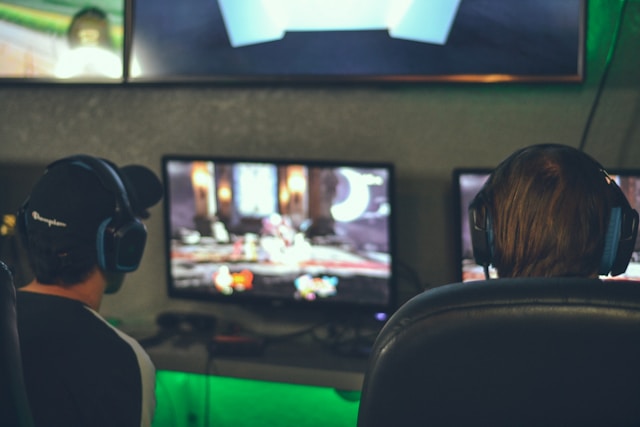
South Korea, known for its technological advancements and high smartphone penetration, has a growing worry over the effects of mobile gaming on its youth, with smartphones owned by more than 700,000 children; the Apple iPhone and Samsung Galaxy S are the popular devices through which they spend their days. Parents lately have been worried about mobile games, which are said to be negatively affecting their children, resulting in calls for curfew at night for those below 16 years old.
The Rise of Smartphone Gaming
The wide ownership of smartphones by South Korean children has drastically impacted their daily routines, as devices like the Apple iPhone and Samsung Galaxy S are not just communication tools but also entertainment hubs, particularly when it comes to mobile online gaming. These games which can be found anywhere, anytime, have become everything to these kids, displacing other activities.
Parental Concerns and Proposed Curfews
More than 50 parent’ associations, in response to this problem, have supported expanding an existing overnight ban on computer online games to include cell phones. Parents argue that playing mobile games without any restrictions at night causes a lack of sleep and hampers the general wellness of their children. The suggested curfew intends to address the negative consequences of limiting the hours spent by kids playing on their gadgets, thereby encouraging healthier habits and more balanced lifestyles.
Government Regulations and the Gaming Industry
Regulating the gaming industry proactively, the government of South Korea has taken measures to control its impact on society. These regulations have serious implications for the growth and development of the industry.
The Game Rating Board
This regulatory framework is vital to the Game Rating Board (GRB). The GRB can ban games that it considers inappropriate, which could mean that certain games are not available and developed for sale in South Korea. For example, Korean gamers were deprived of access to “Grand Theft Auto III” when it was prohibited by GRB. In most cases, these rigid rules make it difficult for game developers to determine the kind of content produced and distributed within local boundaries.
Challenges for Mobile Game Developers
It poses challenges for GRB, as new mobile games are released onto platforms such as iPhone and Android at an alarming rate. Some games have been banned from being sold to Korean customers by Apple and Google to avoid issues with GRB, causing frustrations among indie developers who want to penetrate this market.
Broader Issues of Technology Censorship
This concern regarding mobile gaming is part of a wider problem of censorship related to technology in South Korea. These measures affect not only the gaming industry but also free speech and innovation across various sectors.
The Minerva Case
A case in point is that of Minerva, an online economic commentator who was prosecuted for making pessimistic statements about the South Korean economy that were judged as dangerous by the government. In the end, he was exonerated, but not before criticism from all corners accused the government of muzzling dissent and controlling online content.
Real-Name System and Online Forums
The implementation of a real-name system on internet forums is another factor with high stakes for anonymity and freedom of speech. This approach requires users to sign up using their actual names, thus enabling easy identification and responsibility for internet acts. It also inhibits freedom because it is meant to inhibit the spreading of false information while at the same time discouraging open communication.
Penalties for Spreading False Information
The highest punishment for spreading falsehood includes imprisonment for up to five years with a fine attached. These harsh punishments make people afraid of participating in discussions through the internet, hence self-censorship due to fear of controversial topics.
Impact on Free Speech and Creativity
The scale of these regulations’ broader impact on free speech and South Korea’s capacity to be a creative and technological powerhouse is huge.
Criticisms and Counterproductive Efforts
This censorship has received criticism as counterproductive from people like Chang Ha-joon. This may suggest blocking free speech would rather encourage resistance to it elsewhere, taking account of the comparison with the 1980s. Such moves could inhibit creativity and innovation which are important for any society to move forward.
Fears Over North Korean Propaganda
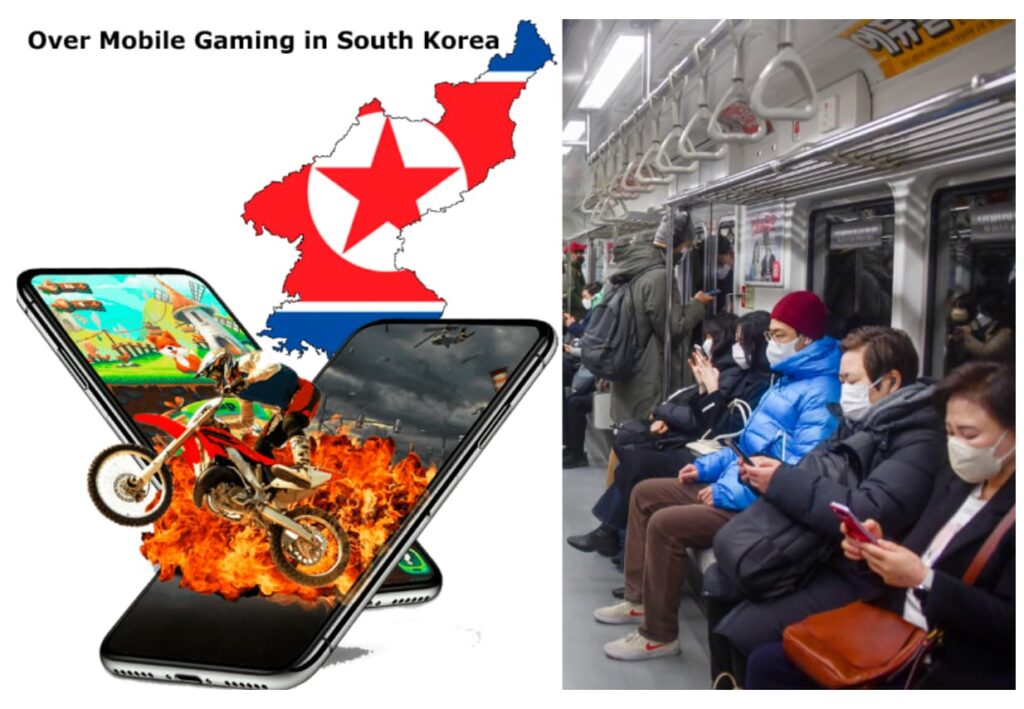
Current censoring policies have been profoundly shaped by historical fears over North Korean propaganda. The government is still suspicious of movements via the internet, including those massive protests against American beef imports in 2008 which had brought Seoul to a halt.
The 2008 Protests Against American Beef Imports
The 2008 protests are an important example of how online activism can shape public debate. Government response to these protests shows their continued vigilance towards information control and social order.
Harm to Reputation and Potential
Such measures undermine South Korea’s reputation as a liberal democracy, preventing it from becoming a world leader in creativity and technology. Free speech and innovation are restricted thereby. By restricting free speech and innovation, these policies risk stifling the very qualities that could drive the country’s future success. The long-term effects on innovation and freedom of expression could be detrimental, limiting South Korea’s ability to compete on the global stage.